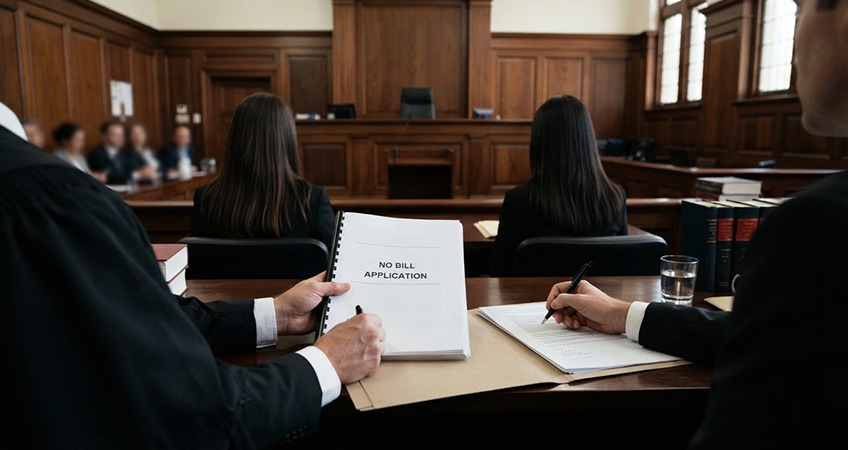

Being charged with a criminal offence can be one of the most stressful experiences you’ll ever face. It’s natural to feel overwhelmed by police interviews, court dates, and uncertainty about what lies ahead. In moments like these, many people believe the prosecution already has enough evidence to secure a conviction. However, that’s not always the case.
Every Criminal Charge must be supported by evidence, and it’s the prosecution’s responsibility to prove every element of the offence beyond reasonable doubt. Just as importantly, the evidence presented in your defence can challenge the allegations, expose weaknesses in the prosecution’s case, and influence the outcome of court proceedings.
While facing allegations of assault, theft, fraud, drug offences, or another criminal matter, understanding the role of evidence is essential. In this guide, we’ll explore the different types of evidence used in criminal cases, explain how they can strengthen your defence, and discuss why working with experienced Criminal Defence Lawyers can make a significant difference.
Why Evidence Matters in Every Criminal Defence Case
No criminal case is decided on accusations alone.
The court relies on evidence to determine what happened and whether the prosecution has proven its case. Evidence provides the foundation for every criminal proceeding, helping judges and magistrates assess the facts rather than assumptions or speculation.
Imagine two people give completely different accounts of the same incident. Without supporting evidence, it can be difficult to determine which version is accurate. This is why witness statements, CCTV footage, forensic reports, electronic records, and other forms of evidence often play a crucial role in criminal matters.
For experienced Criminal Defence Lawyers, building a defence isn’t simply about responding to allegations. It’s about carefully examining every piece of evidence, identifying inconsistencies, and ensuring the prosecution has met the high legal standard required for a conviction.
Understanding the Burden of Proof
One of the most common misconceptions is that a person charged with an offence must prove they are innocent. Under Australian criminal law, that’s generally not the case.
Instead, the prosecution carries the burden of proving a Criminal Charge beyond reasonable doubt. This is one of the highest legal standards because a criminal conviction can have serious consequences, including fines, imprisonment, a criminal record, and lasting impacts on employment and travel.
Your defence doesn’t need to prove absolute innocence. Instead, it may be enough to challenge the prosecution’s evidence or raise reasonable doubt about what actually occurred.
This is why experienced Criminal Defence Lawyers focus on analysing the prosecution’s case before deciding how best to respond.
Types of Evidence That Can Strengthen Your Defence
Every criminal matter is different, which means the evidence required to defend a case will also vary. However, several common types of evidence regularly play an important role in criminal proceedings.
Witness Statements
Witnesses often provide valuable insight into the events surrounding an alleged offence.
Independent witnesses, in particular, can help confirm your version of events or identify inconsistencies in the prosecution’s case. Even where witnesses recall the same incident, their observations may differ depending on where they were positioned or what they actually saw.
Experienced Criminal Defence Lawyers carefully assess witness credibility, consistency, and reliability before determining how their evidence may assist the defence.
CCTV and Surveillance Footage
Security cameras have become part of everyday life across Australia.
Footage from businesses, shopping centres, apartment buildings, public transport, or nearby properties can provide an objective account of what occurred before, during, or after an alleged offence.
CCTV may:
- Confirm a person’s location.
- Establish timelines.
- Identify individuals involved.
- Support or contradict witness statements.
- Capture events leading up to an incident.
Obtaining surveillance footage early is important because many recording systems automatically delete footage after a limited period.
Digital Evidence
Technology has changed the way criminal investigations are conducted. Today’s criminal cases may involve:
- GPS location data
- Social media activity
- Computer files
- Online transaction records
- Mobile phone records
- Text messages
- Emails
Depending on the circumstances, digital evidence can help establish communication between parties, confirm someone’s whereabouts, or challenge allegations made during an investigation.
Because electronic evidence can be complex, experienced Criminal Defence Lawyers carefully review how it was obtained and whether it complies with legal requirements.
Physical and Forensic Evidence
Forensic evidence often plays a significant role in criminal prosecutions.
Examples include;
- DNA evidence
- Fingerprints
- Blood analysis
- Drug testing
- Clothing examinations
- Ballistics
- Property recovered during investigations
Although forensic evidence is often considered highly reliable, it should never be accepted without careful examination. Defence lawyers may review laboratory reports, collection procedures, storage methods, and the chain of custody to ensure the evidence has been handled correctly.
Documentary Evidence
Sometimes the strongest evidence comes from everyday documents. Depending on the case, useful documents may include:
- Medical records
- Employment records
- Bank statements
- Receipts
- Travel bookings
- Vehicle registration documents
- Security access records
These records can help establish timelines, confirm an alibi, or contradict parts of the prosecution’s case.
How Criminal Defence Lawyers Challenge the Prosecution’s Evidence
A strong criminal defence isn’t always about introducing new evidence. In many cases, it’s about carefully testing the evidence presented by the prosecution.
Experienced Criminal Defence Lawyers examine every aspect of the case, asking important questions such as:
- Was the evidence lawfully obtained?
- Were police procedures followed correctly?
- Is the witness reliable?
- Are there inconsistencies between different statements?
- Has forensic evidence been interpreted accurately?
- Has every legal element of the offence been proven?
Even small inconsistencies can become significant when viewed alongside the broader evidence.
Every case deserves a detailed legal assessment rather than assumptions based solely on the allegations.
Common Mistakes That Can Weaken Your Defence
Many people unintentionally make their situation more difficult after being charged. Some common mistakes include,
Speaking to Police Without Legal Advice
While cooperation is important, making statements without understanding your legal rights may affect your defence.
Delaying Legal Representation
Waiting until shortly before court can reduce the opportunity to gather evidence, interview witnesses, and prepare an effective defence strategy.
Failing to Preserve Evidence
Important documents, CCTV footage, text messages, or electronic records may disappear if they aren’t secured promptly.
Discussing the Case Publicly
Posting about your case on social media or discussing it with others may unintentionally create additional evidence that could later be used during proceedings.
Seeking early advice from experienced Criminal Defence Lawyers helps minimise these risks while protecting your legal position.
Why Early Legal Advice Matters?
The strongest criminal defences often begin long before the first court appearance.
Early legal advice allows your lawyer to review the prosecution’s evidence, identify potential weaknesses, locate supporting evidence, interview witnesses, and develop a clear legal strategy.
It also provides an opportunity to explain the court process, answer your questions, and ensure you understand your rights at every stage.
Rather than reacting to developments as they occur, early preparation places you in a stronger position from the outset.
Your Defence Starts with the Trusted Criminal Defence Lawyers Fighting for Your Rights
When you’re facing a Criminal Charge, experience matters. At Harvard Defence Lawyers, we understand that every criminal case is unique. Our team carefully examines the evidence, identifies weaknesses in the prosecution’s case, and develops defence strategies tailored to each client’s circumstances.
We provide clear legal advice, strong courtroom representation, and practical guidance throughout every stage of the legal process. Whether you’re facing a minor allegation or a serious criminal matter, our experienced Criminal Defence Lawyers are committed to protecting your rights and pursuing the best possible outcome.
If you’re searching for a trusted Criminal Lawyer Sydney or the Best NSW Law Firm to represent you, Harvard Defence Lawyers offers the knowledge, experience, and dedication needed to navigate even the most complex criminal matters.
Build Your Defence on Facts, Not Assumptions
Every Criminal Charge Deserves a Strong Defence Backed by Evidence.
Evidence is the foundation of every criminal case. It shapes how allegations are assessed, influences legal arguments, and often determines the outcome of court proceedings. From witness statements and CCTV footage to forensic reports and digital records, every piece of evidence deserves careful consideration.
If you’ve been charged with a criminal offence, don’t assume the prosecution’s case is beyond challenge. Seeking advice from experienced Criminal Defence Lawyers as early as possible gives you the opportunity to understand the evidence, protect your legal rights, and prepare a strong defence based on facts rather than assumptions. With the right legal representation, you can approach the criminal justice process with greater confidence and a clearer understanding of your options.