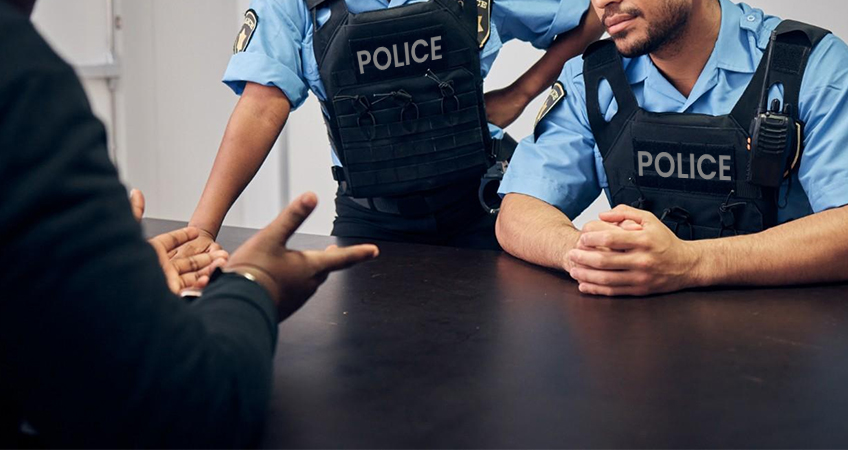
Even if you have done nothing wrong, there are very good legal reasons why lawyers in Australia often advise clients not to participate in a police interview.
1. You have the right to silence — and it exists for a reason
Under Australian law (including the Evidence Act 1995 (NSW)), you are not required to answer police questions. This right protects you from being compelled to assist in building a case against yourself. Importantly, exercising that right cannot be used as evidence of guilt.
2. Anything you say can be used against you (but not for you)
Police interviews are conducted to gather admissible evidence. Even innocent people can:
- Misremember details
- Get timelines slightly wrong
- Use unclear or imprecise language
Those small inconsistencies can later be used to challenge your credibility. However, anything helpful you say does not necessarily stop charges from being laid.
3. You don’t know what police already have
When you are being interviewed, you are at an informational disadvantage:
- Police may have witness statements, CCTV, or forensic evidence you haven’t seen
- They are trained to ask questions in a way that tests or pressures your version
Answering questions without knowing the full case can unintentionally lock you into a version that later conflicts with other evidence.
4. Innocent explanations can sound suspicious
Something that seems completely reasonable to you may:
- Sound inconsistent when broken down in questioning
- Be interpreted differently by investigators
- Be taken out of context in a recorded interview
Once it’s on record, it’s very difficult to “fix” later.
5. Stress and pressure affect how you speak
Police interviews can be intimidating, even for confident people. Under pressure, people often:
- Agree with suggestions
- Guess answers
- Say things they don’t mean clearly
This is one of the most common ways innocent people create problems for themselves.
6. You can give your version later, properly
Choosing not to do an interview does not mean you can never explain yourself. You can:
- Provide instructions to your lawyer
- Decide later whether to give evidence in court
- Present your case in a structured, strategic way
This ties into your earlier point: there is a big difference between staying silent in a police interview and deciding whether to give evidence at trial.
7. There are limited exceptions (when you might speak)
There are situations where giving an interview may be beneficial—but only after legal advice.
Even if you are innocent, a police interview is not your opportunity to “clear things up”—it is an evidence-gathering exercise for the prosecution.
That’s why the safest general position is:
Do not participate in a police interview without first speaking to a lawyer.